Notebook 1
Adjective Declension
Adjektivdeklination
Grammar
Adjective Declension
The information below will not give you everything you need to use adjective declension perfectly all the time.
But do you know the myth of Sisyphus? Contrary to popular belief, Sisyphus was not an unhappy man. He knew he would never succeed in his task, yet he pushed the stone every day with determination. But one night he had a nightmare: he dreamed that his work actually did not matter at all - that it was not the right task.
Thank God it was only a dream, and the next day he continued doing his duty.
Long story short: writing or speaking adjective declensions correctly every single time should not define who you are. It is certainly not your mission in life. If you get it right most of the time, that is already good enough.
Here are three simple rules that will get you there most of the time.
1. After der / die / das (definite article)
When there is a definite article, the adjective ending is usually simple.
Nominative singular: -e
- der gute Mann
- die gute Frau
- das gute Kind
Almost everywhere else: -en
- mit dem guten Mann
- die guten Leute
- den guten Mann
2. After ein / kein / mein / dein / sein / ihr / unser / euer
If the article does not show the grammatical ending, the adjective shows it.
Examples:
- ein guter Mann
- eine gute Frau
- ein gutes Kind
But when the article already shows the ending, the adjective usually becomes:
-en
Examples:
- mit einem guten Mann
- einen guten Mann
3. With no article
If there is no article, the adjective must carry the full grammatical ending - basically like the der-article would do.
Examples:
- guter Mann
- gute Frau
- gutes Kind
With prepositions:
- mit gutem Mann
- mit guter Frau
Word Cards
Word Cards
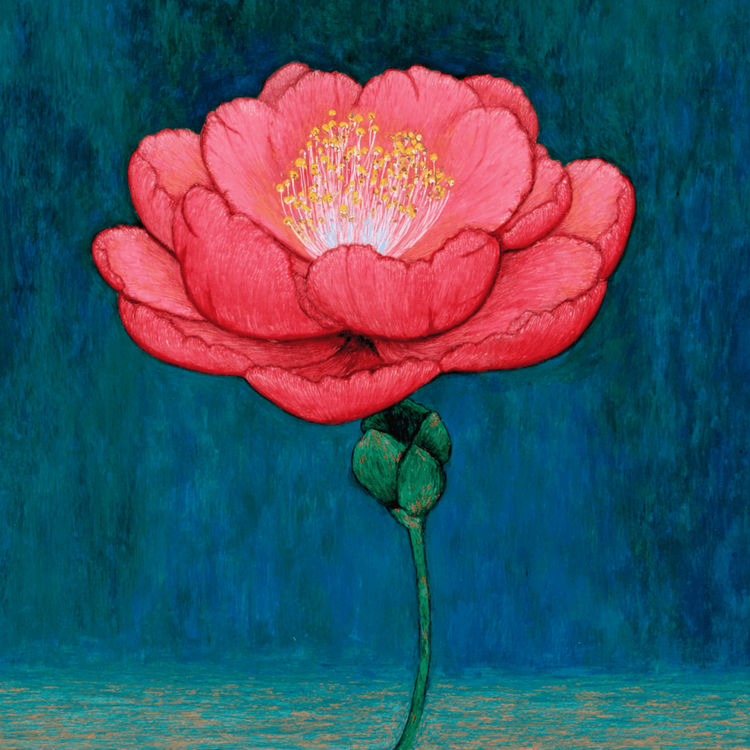
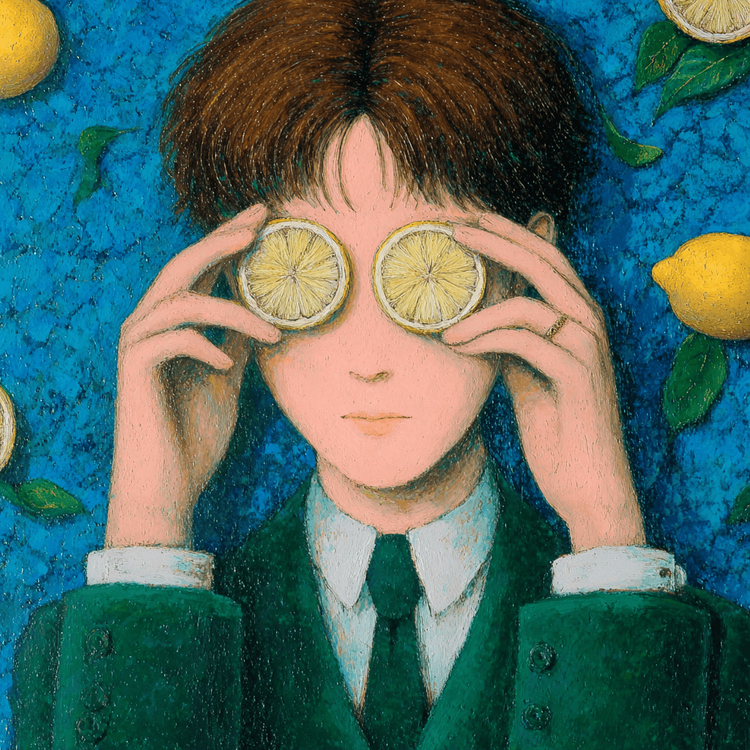
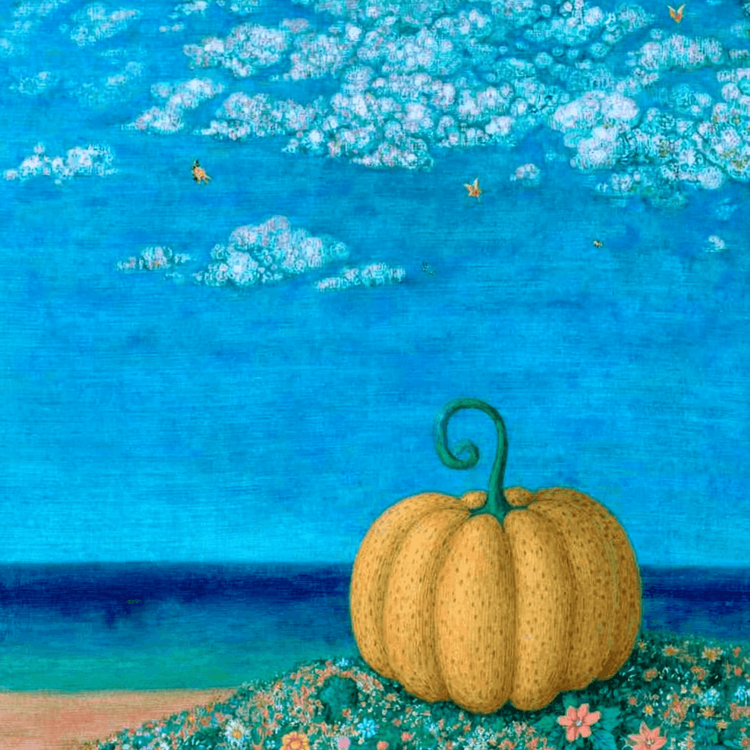
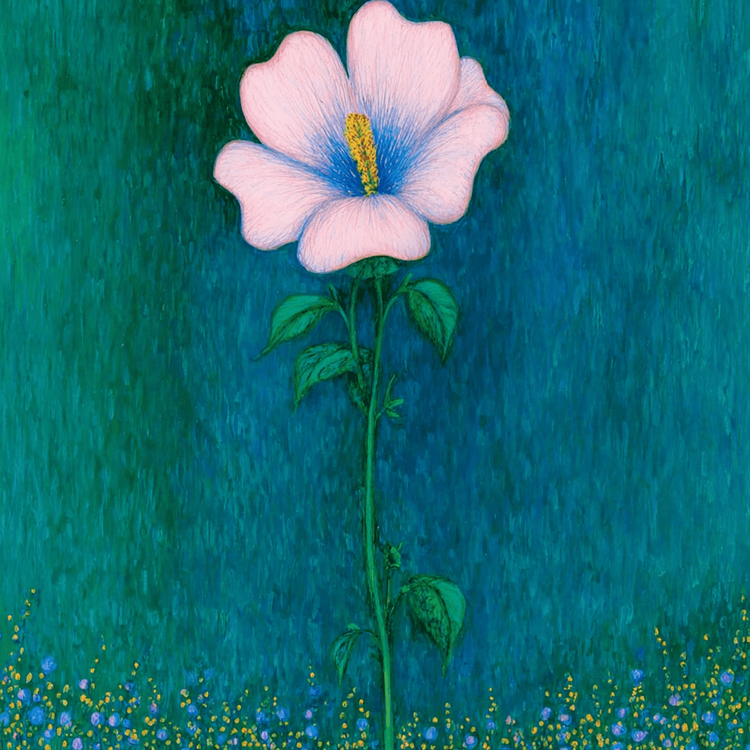
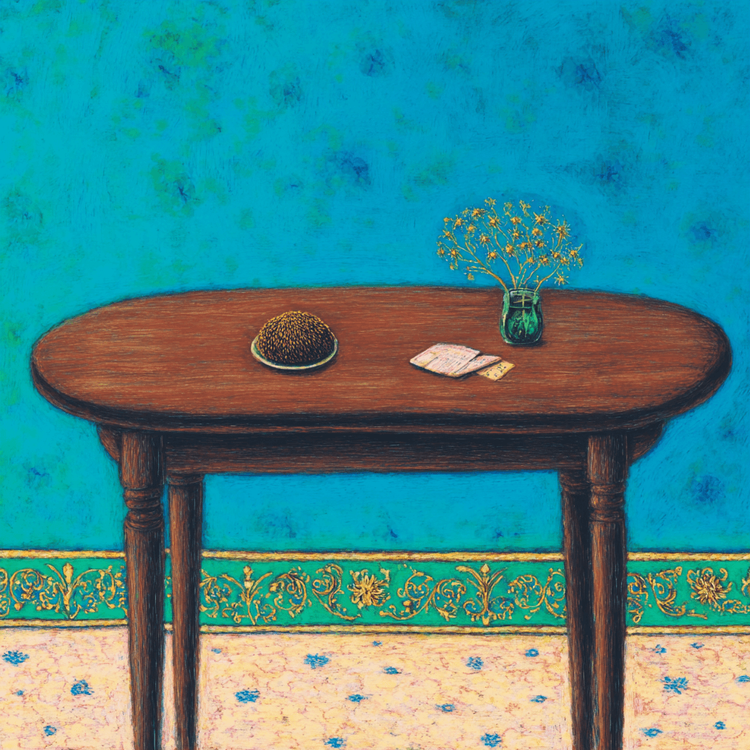
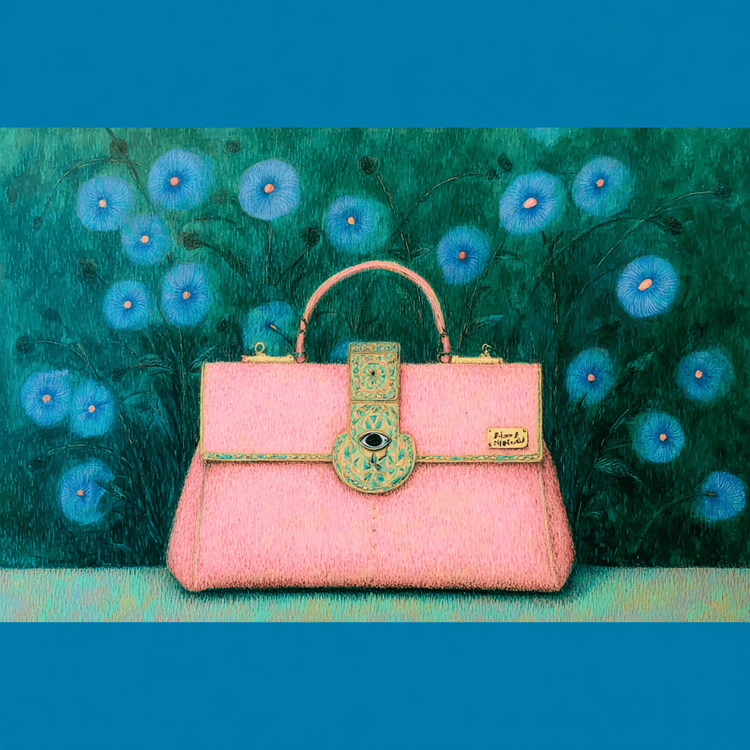
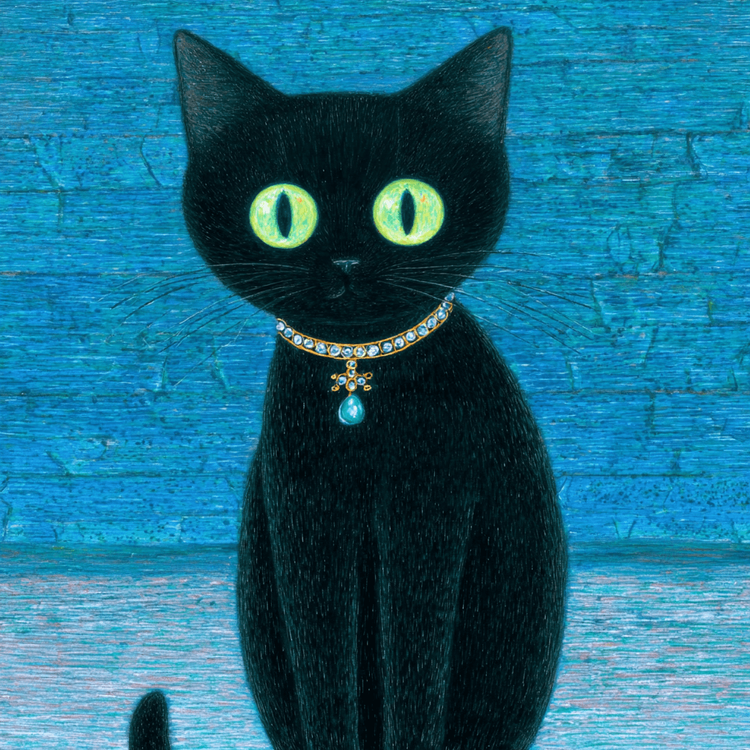
Write the correct German color word for each picture. Use hints.




Adjective Endings
Practice
Complete each sentence with the correct adjective form of the color. Use case hints.
Solutions to exercises and word cards
Answer Key
Word Cards
- Redrot
- Blueblau
- Greengrün
- Yellowgelb
- Orangeorange
- Purpleviolett
- Brownbraun
- Graygrau
- Pinkrosa
- Whiteweiß
- Blackschwarz
Exercises
- DieroteBlumeist schön.
- Ich sehe dengrünenHund.
- Sie hilft derrotenFrau.
- Wir stellen dasblaueBuchauf den Tisch.
- Das Dach desblauenHausesist nass.
- Er sitzt auf demgrünenStuhl.
- Ich trinke aus derrotenTasse.
- DergrüneBaumist hoch.
- Sie kaufen einblauesAuto.
- Die Farbe desgrünenApfelsist dunkel.
 libraryuniverse· https://libraryuniverse.com · Copyright 2026 libraryuniverse· https://libraryuniverse.com · Copyright 2026 |
Grammar Adjective DeclensionThe information below will not give you everything you need to use adjective declension perfectly all the time. But do you know the myth of Sisyphus? Contrary to popular belief, Sisyphus was not an unhappy man. He knew he would never succeed in his task, yet he pushed the stone every day with determination. But one night he had a nightmare: he dreamed that his work actually did not matter at all - that it was not the right task. Thank God it was only a dream, and the next day he continued doing his duty. Long story short: writing or speaking adjective declensions correctly every single time should not define who you are. It is certainly not your mission in life. If you get it right most of the time, that is already good enough. Here are three simple rules that will get you there most of the time. 1. After der / die / das (definite article)When there is a definite article, the adjective ending is usually simple. Nominative singular:
Almost everywhere else:
2. After ein / kein / mein / dein / sein / ihr / unser / euerIf the article does not show the grammatical ending, the adjective shows it. Examples:
But when the article already shows the ending, the adjective usually becomes:
Examples:
3. With no articleIf there is no article, the adjective must carry the full grammatical ending - basically like the der-article would do. Examples:
With prepositions:
Word Cards Word CardsWrite the correct German color word for each picture. Use hints. Red Die Blume ist. Blue Der Himmel ist. Green Das Gras ist. Yellow Die Zitrone ist. Orange Der Kürbis ist. Purple Die Blume ist. Brown Der Tisch ist. Gray Der Himmel ist. Pink Die Tasche ist. White Der Schnee ist. Black Die Katze ist. Adjective Endings PracticeComplete each sentence with the correct adjective form of the color. Use case hints. 1.DieBlumeist schön.(Nominative, red) 2.Ich sehe denHund.(Akkusativ, green) 3.Sie hilft derFrau.(Dative, red) 4.Wir stellen dasBuchauf den Tisch.(Akkusativ, blue) 5.Das Dach desHausesist nass.(Genitive, blue) 6.Er sitzt auf demStuhl.(Dative, green) 7.Ich trinke aus derTasse.(Dative, red) 8.DerBaumist hoch.(Nominative, green) 9.Sie kaufen einAuto.(Akkusativ, blue) 10.Die Farbe desApfelsist dunkel.(Genitive, green) Solutions to exercises and word cards Answer KeyWord Cards
Exercises
|